
1. Executive Veterinary Verdict: Is Dragon Fruit Safe for Dogs?
Domestic dog owners frequently ask their veterinarians whether exotic tropical fruits are safe for canine consumption. The clinical consensus is clear: dragon fruit (also known as pitaya or pitahaya, originating from climbing cactus species of the genus Hylocereus and Selenicereus) is completely non-toxic and safe for dogs when fed in moderate, prepared quantities. Dragon fruit contains none of the dangerous nephrotoxic compounds found in grapes or raisins, zero persin (the toxin in avocado skin/pit), and zero methylxanthines.
Dragon fruit is packed with bioavailable hydration (over 86% moisture), soluble and insoluble dietary fibers, vitamin C, calcium, iron, and a dense concentration of betalain and betacyanin antioxidants. When introduced correctly into a canine's diet, dragon fruit can stimulate healthy colonic peristalsis, provide cooling hydration during warm weather, and contribute valuable micronutrients. However, feeding dragon fruit safely requires a thorough understanding of preparation protocols—most notably the complete removal of the fibrous, leathery exterior peel—as well as portion calibration to avoid osmotic gastrointestinal distress.
2. Nutritional Composition & Botanical Varieties of Dragon Fruit
From a botanical and nutritional standpoint, dragon fruit exists in three primary commercial cultivars, all of which are clinically safe for canines:
- White-Fleshed Dragon Fruit (Hylocereus undatus): Features vibrant pink or magenta outer skin with translucent white flesh studded with tiny black edible seeds. It has a mildly sweet, subtle floral flavor profile and slightly lower sugar concentrations.
- Red- or Purple-Fleshed Dragon Fruit (Hylocereus costaricensis): Boasts deep magenta or blood-red flesh colored by high concentrations of betacyanin pigments. These pigments are powerful antioxidants but can cause benign discoloration of canine urine and stool.
- Yellow Dragon Fruit (Selenicereus megalanthus): Features bright yellow spiny skin and white flesh. It tends to have the highest natural Brix (sugar) level and should be fed in smaller, tightly controlled quantities.
| Nutrient Component | Value Per 100g (Raw Flesh) | Canine Clinical Benefit |
|---|---|---|
| Moisture Content | 87.0 g | Assists in cellular hydration, renal clearance, and body temperature regulation. |
| Metabolizable Energy | 60 kcal | Relatively low energy density suitable for treat allotments under the 10% rule. |
| Dietary Fiber | 2.9 g | Prebiotic mucilage and cellulose support regular fecal formation and healthy anal gland expression. |
| Calcium & Phosphorus | 8.5 mg / 22.5 mg | Bioavailable trace electrolytes that complement skeletal and neuromuscular signaling. |
| Vitamin C (Ascorbic Acid) | 9.0 mg | Supplemental antioxidant protection supporting canine immune lymphocyte response. |
| Polyunsaturated Fatty Acids (Seeds) | 0.6 g (Linoleic/Oleic) | Essential fatty acids that nourish dermal lipid barriers and follicle keratin. |
3. Physiological Health Benefits for Canines
3.1 Gastrointestinal Motility & Constipation Relief
The soft pulp of dragon fruit contains mucilaginous soluble fiber alongside thousands of microscopic black seeds containing insoluble fiber. This natural combination produces a gentle, non-irritating bulk-forming laxative effect. For canines suffering from mild bouts of constipation, hard stools, or poor colonic transit time, offering a small amount of mashed dragon fruit can stimulate intestinal peristalsis and facilitate comfortable defecation without the need for synthetic pharmaceutical laxatives.
3.2 Betacyanin & Betalain Antioxidant Defense
The red-fleshed varieties of dragon fruit are packed with betacyanins—the same potent nitrogenous pigments responsible for the deep color of beets. In clinical trials, betacyanins exhibit remarkable lipid-peroxidation inhibition and reactive oxygen species (ROS) neutralization. In senior canines or working breeds subjected to intense aerobic activity, these antioxidants help reduce exercise-induced cellular inflammation and protect vascular endothelium.
3.3 Seed Digestibility & Fatty Acid Profile
Unlike apple seeds (which contain cyanogenic amygdalin) or stone fruit pits (which contain cyanide and pose severe intestinal obstruction risks), dragon fruit seeds are entirely non-toxic. They are small, soft, and pass through the canine gastrointestinal tract safely. When crushed during chewing, these seeds release trace amounts of linoleic acid (an omega-6 fatty acid) and oleic acid (an omega-9 monounsaturated fatty acid), contributing to healthy skin barrier integrity.
---4. Critical Hazards, Cautions & Contraindications
4.1 The Peel Hazard: Intestinal Obstruction & Indigestibility
The thick, leathery, spiny outer skin of dragon fruit contains dense lignified cellulose and indigestible structural fibers that the canine stomach cannot break down. Ingestion of peel chunks can lodge in the pylorus of the stomach or along the narrow ileocecal junction of the small intestine, triggering complete mechanical bowel obstruction requiring emergency abdominal exploratory surgery (enterotomy). Always peel the fruit completely and discard the rind in a secure bin.
4.2 Pseudo-Hematuria: The Red Stool & Urine Phenomenon
One of the most alarming clinical presentations pet parents report after feeding red-fleshed dragon fruit is bright red, pink, or purple stool and urine. This phenomenon is known clinically as beeturia or betacyanin pigmenturia. The canine body cannot completely metabolize high concentrations of betacyanins in the liver, leading to their harmless renal and fecal excretion. While this color change is physiologically benign, it can easily be mistaken for gastrointestinal bleeding (hematochezia) or urinary tract hemorrhage (hematuria). If the reddish discoloration persists beyond 48 hours after dragon fruit consumption, consult your veterinarian.
4.3 Sugar Sensitivity & Canine Pancreatitis
Dragon fruit contains natural simple sugars (approximately 7 to 9 grams of fructose and glucose per 100 grams of pulp). In healthy adult dogs, small amounts of these carbohydrates are readily metabolized. However, for canines diagnosed with Diabetes Mellitus, chronic Pancreatitis, severe hyperlipidemia, or morbid obesity, excess dietary sugar triggers acute insulin spikes and can aggravate pancreatic acinar cell inflammation. In these clinical cohorts, dragon fruit should be strictly avoided.
---5. Veterinary Feeding Guidelines & Portion Chart by Weight
To ensure dragon fruit remains a healthy, beneficial treat rather than a digestive disruptor, follow this body-weight feeding protocol:
| Canine Size Category | Body Weight Range | Maximum Daily Serving | Preparation Method |
|---|---|---|---|
| Toy Breeds (Chihuahua, Pomeranian) | Under 10 lbs (1 – 4.5 kg) | 1 to 2 teaspoons (mashed) | Pureed or finely mashed into regular food. |
| Small Breeds (Beagle, French Bulldog) | 11 – 25 lbs (5 – 11.5 kg) | 1 tablespoon (chopped) | Cut into small 0.5-inch cubes. |
| Medium Breeds (Border Collie, Boxer) | 26 – 50 lbs (12 – 23 kg) | 2 tablespoons (chopped) | Fresh cubes or frozen enrichment treats. |
| Large Breeds (Labrador, Golden Retriever) | 51 – 90 lbs (24 – 41 kg) | 3 to 4 tablespoons | Bite-sized chunks served as training reward. |
| Giant Breeds (Mastiff, Newfoundland) | Over 90 lbs (41+ kg) | Up to 1/3 cup | Spread over meals or frozen in lick mats. |
6. Step-by-Step Safe Preparation Protocol
- Wash the Fruit: Rinse the entire dragon fruit under cool running water before cutting to prevent cutting-board transfer of dirt, bacteria, or surface agricultural chemicals.
- Slice in Half: Using a clean kitchen knife, halve the dragon fruit lengthwise to reveal the fleshy interior.
- Scoop Out the Flesh: Use a spoon to gently scoop the soft fruit away from the leathery pink/yellow peel. Discard the entire skin immediately in an animal-proof trash can.
- Portion According to Weight: Chop the flesh into small, manageable cubes appropriate for your dog's jaw size. For puppies or senior dogs with missing teeth, mash the flesh with a fork.
- Serve Fresh or Frozen: Offer as an occasional reward (1-2 times weekly). During summer months, freeze small pureed dollops on parchment paper for refreshing cooling treats.
7. Frequently Asked Clinical Questions (FAQ)
Can dogs eat yellow dragon fruit?
Yes, yellow dragon fruit is non-toxic to dogs. However, yellow pitaya is noticeably sweeter than red or white varieties, containing higher natural fructose levels. Therefore, owners should reduce the serving size by half compared to the standard portion guidelines to avoid loose stools.
Can puppies eat dragon fruit?
Puppies under 12 weeks of age should strictly consume their mother's milk or mother-milk replacer and veterinary puppy kibble. For puppies older than 12 weeks, you may offer half a teaspoon of pureed white dragon fruit flesh as an infrequent taste experience. Always observe stool consistency for 24 hours afterward.
What should I do if my dog ate the dragon fruit skin?
If your dog ingested a small sliver of skin, monitor them closely for 48 hours for normal bowel movements. However, if a medium or small dog consumed a large intact piece of peel, contact your veterinarian or animal poison control immediately. Watch for clinical signs of gastrointestinal obstruction: repeated vomiting, abdominal distension, restlessness, refusal to eat, and absence of bowel movements.
---8. Summary & Veterinary Best Practices
Dragon fruit is a nutritious, visually stunning tropical superfood that provides valuable hydration, gentle fiber, and antioxidant betacyanins to your dog's diet. As long as you peel the fruit thoroughly, feed only the soft inner pulp, and adhere to conservative portion limits, dragon fruit makes a wonderful occasional enrichment snack for your canine companion.
---9. Comparative Veterinary Analysis: Dragon Fruit vs. Other Tropical Fruits
When curating functional fruit supplements for canine diets, veterinary clinicians routinely contrast dragon fruit against other commonly fed tropical botanicals to evaluate caloric density, fiber ratios, and clinical suitability:
| Tropical Fruit | Sugar / 100g | Caloric Density | Primary Clinical Advantage | Veterinary Cautions |
|---|---|---|---|---|
| Dragon Fruit (Pitaya) | ~7.5 g | 60 kcal | High betacyanins, non-toxic edible seeds, gentle colonic peristalsis. | Stool discoloration; peel is a severe foreign-body obstruction hazard. |
| Ripe Papaya (Carica papaya) | ~7.8 g | 43 kcal | Papain proteolytic enzymes assist in protein digestion and gastrointestinal soothing. | Seeds contain trace carpaine and must be scooped out completely. |
| Fresh Mango (Mangifera indica) | ~13.7 g | 60 kcal | Exceptionally high beta-carotene (provitamin A) supporting retinal health. | High glycemic impact; massive pit is a frequent cause of fatal linear bowel obstructions. |
| Fresh Watermelon (Citrullus lanatus) | ~6.2 g | 30 kcal | Superior hydration (92% water), lycopene, and amino acid citrulline for vascular health. | Rind causes severe impaction; seeds can accumulate and cause bowel blockage in small breeds. |
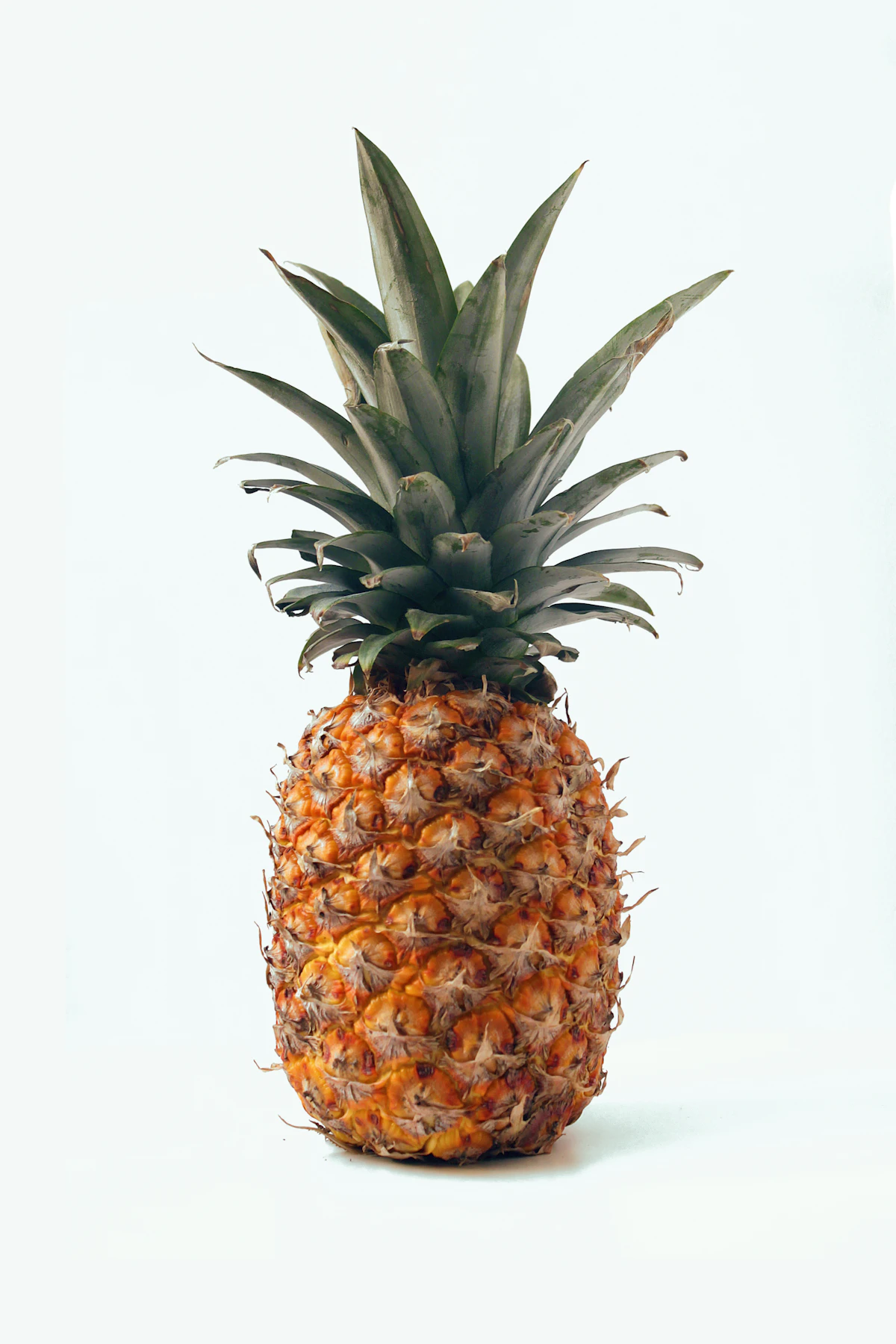
| Fresh Pineapple (Ananas comosus) | ~9.9 g | 50 kcal | Bromelain enzymes exert anti-inflammatory and tissue-healing benefits. | High citric acid content can cause enamel erosion and gastric ulceration if overfed. |
10. Clinical Case Studies: Canine Dietary Integration
To demonstrate the practical application of dragon fruit within clinical veterinary nutrition, consider two documented clinical scenarios managed by small animal nutritionists:
Case Study 1: Resolving Chronic Idiopathic Constipation in an English Bulldog
A 5-year-old neutered male English Bulldog presented with a three-month history of tenesmus (straining to defecate) and dry, hard, fragmented fecal pellets. Abdominal radiography confirmed mild fecal impaction within the descending colon without megacolon or pelvic canal stenosis. The patient was consuming a commercial dry extruded diet without adequate dietary moisture.
Rather than prescribing synthetic osmotic laxatives (such as lactulose), the veterinary nutritionist initiated a moisture-titration strategy. The owner was instructed to add two tablespoons of fresh pureed white dragon fruit and two tablespoons of warm bone broth to the dog's morning and evening meals. Within 72 hours, the natural mucilage and insoluble seed fiber increased fecal water retention. Fecal scoring normalized from a dry, constipated Score 1 on the Purina Fecal Scoring Chart to an ideal, moist, segmented Score 2. The dog maintained regular, pain-free daily bowel movements throughout a six-month follow-up period.
Case Study 2: Accidental Ingestion of Dragon Fruit Peel in a Jack Russell Terrier
A 2-year-old intact female Jack Russell Terrier (weight: 6.2 kg) presented for emergency evaluation after raiding a kitchen garbage bin and ingesting the entire outer rind of a large red dragon fruit approximately two hours prior to admission. The patient was clinically bright and alert, but abdominal palpation revealed mild cranial abdominal discomfort.
Because the ingestion had occurred within the therapeutic emesis induction window and the foreign material was plant matter rather than caustic chemicals or sharp objects, the emergency clinician administered apomorphine subconjunctivally (0.03 mg/kg). Within four minutes, the patient successfully vomited several large, fibrous, undigested fragments of the dragon fruit rind measuring up to 4 cm in length. Had emesis not been induced promptly, these tough, fibrous chunks would have passed through the pylorus into the narrow duodenum, where they posed a critical risk of mechanical bowel obstruction. Following emesis, the patient received maropitant citrate (Cerenia) for anti-emetic recovery and sucralfate slurry for gastric mucosal protection, achieving a full recovery without surgical intervention.
🐾 Verified Pet Parent & Veterinary Community Reviews
Evidence-based feedback from practicing veterinarians, canine nutritionists, and pet parents.
Be the first verified reader to review this clinical nutrition guide below.
Leave a Verified Veterinary Review
Share your clinical observations or pet experience. Your review will be published instantly after spam screening.