A Complete Guide to Feeding Cats: Obligate Carnivore Physiology & Hydration
Jivika Feline Nutrition Specialists·April 28, 2024·10 min read
💡 Key Takeaway: Everything you need to know about feline nutrition, from kitten weaning to senior care. Obligate carnivore metabolism, taurine requirements, and wet vs dry food debates.
1. Introduction: The Unique Metabolic Biology of the Domestic Cat
Domestic cats (Felis catus) are not small dogs. While dogs possess significant metabolic flexibility, cats are strict, evolutionary obligate carnivores. Over millions of years of solitary desert predation, the feline metabolic system adapted to a diet composed almost exclusively of small mammals, birds, and insects—foods rich in animal protein and moisture, moderate in fat, and containing virtually zero simple carbohydrates.
Because their evolutionary ancestral prey provided pre-formed nutrients, cats permanently lost the hepatic enzymatic pathways needed to synthesize several essential biological compounds. In this comprehensive guide, the Jivika Veterinary Editorial Board explains the physiological mandates that every cat parent must understand to prevent chronic renal failure, hepatic lipidosis, and cardiac disease.
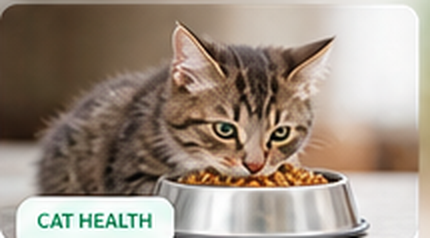
Hydration Priority: Incorporating high-moisture wet food is critical for long-term feline renal and bladder health.
2. Non-Negotiable Feline Nutritional Requirements
Taurine: Dogs can synthesize taurine from methionine and cysteine. Cats lack the necessary hepatic enzyme (cysteinesulfinic acid decarboxylase) and continuously lose taurine in bile conjugation. Dietary taurine deficiency precipitates feline central retinal degeneration (FCRD) leading to irreversible blindness, dilated cardiomyopathy (DCM), and reproductive failure.
Pre-formed Vitamin A (Retinol): Cats cannot cleave plant beta-carotene into active vitamin A because they lack intestinal beta-carotene 15,15'-dioxygenase. They must consume pre-formed animal vitamin A (such as from liver and meat).
Arachidonic Acid: Cats lack delta-6 desaturase activity in significant quantities, making arachidonic acid an essential dietary fatty acid that must derive from animal fat.
High Obligate Protein Requirement: Feline hepatic transaminases and urea cycle enzymes are permanently set at a high rate of basal activity. Even during fasting or low-protein intake, a cat's liver continues catabolizing body protein for energy, leading to rapid muscle wasting if dietary protein falls below 26% to 30% dry matter.
Obligate Carnivore Physiology: Cats require pre-formed dietary taurine, arachidonic acid, and bioavailable animal protein.
3. The Hydration Crisis: Wet vs. Dry Food
Originating as African wildcats (Felis lybica), cats have a notoriously low intrinsic thirst drive. In nature, cats derive over 70% of their daily hydration directly from the moisture contained within whole prey. When fed exclusively dry kibble (which contains only 8% to 10% moisture), cats do not compensate by drinking adequate water from bowls, leading to chronic subclinical dehydration and concentrated urine (Specific Gravity >1.050).
This chronic concentrated state dramatically accelerates the crystallization of struvite and calcium oxalate uroliths in the urinary bladder, triggering life-threatening Feline Lower Urinary Tract Disease (FLUTD) and urethral obstruction in male cats. Veterinary consensus strongly favors incorporating high-moisture canned wet food as at least 50% to 100% of an adult cat's daily diet.
4. Kitten Feeding vs. Senior Feline Care
Kittens require energy-dense meals fed 3 to 4 times daily until six months of age, with dedicated kitten formulations containing calcium, phosphorus, and DHA. Senior cats (11+ years) frequently suffer from subclinical Stage 1-2 Chronic Kidney Disease and reduced digestive fat absorption. Regular veterinary monitoring of symmetric dimethylarginine (SDMA), blood urea nitrogen (BUN), and serum creatinine allows timely nutritional tailoring to preserve renal function.
5. Peer-Reviewed Feline References
Zoran, D. L. (2002):The Carnivore Connection to Nutrition in Cats. Journal of the American Veterinary Medical Association (JAVMA), 221(11), 1559-1567.
AAFP / EveryCat Feline Nutrition Guidelines (2023):Journal of Feline Medicine and Surgery.
Markwell, P. J., et al. (1999):Clinical Evaluation of Dry versus Canned Diets in the Management of Feline Lower Urinary Tract Disease. JAVMA, 214(4), 507-510.
🐾
Install Jivika Pets App
Add Jivika Pets directly to your smartphone home screen for instant, offline food safety and emergency toxicity checks.
📱 On iPhone (Safari):1. Tap the Share button (box with arrow) at the bottom. 2. Scroll down and tap Add to Home Screen.
🤖 On Android (Chrome):1. Tap the three dots menu (⋮) in the top-right corner. 2. Tap Install app or Add to Home Screen.